
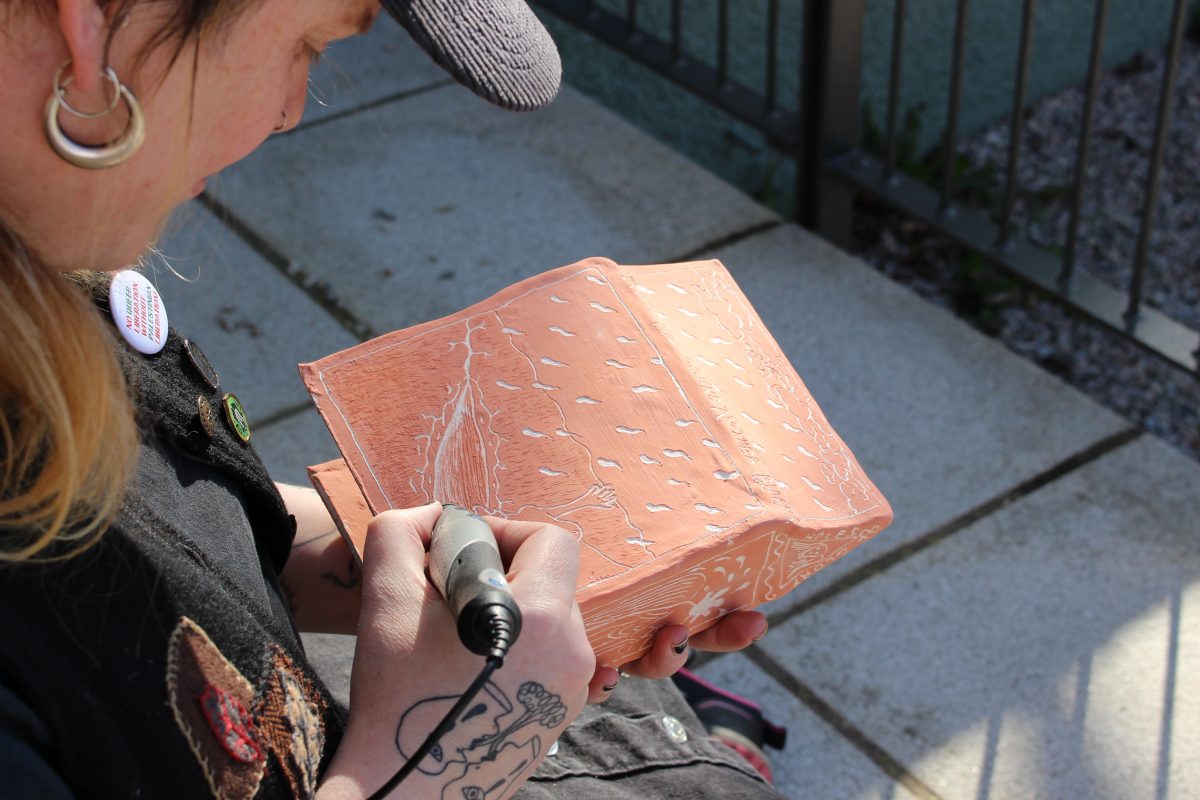
Belladonna Paloma, one of the five 2025 SSW x Counterflows Caregivers Residency artists, reflects on her time here at SSW in April and May.
The SSW x Counterflows Caregivers Residency was set up in 2020 to expand funded residency opportunities to artists who are also caregivers.
Words and images below by Belladonna Paloma.
—
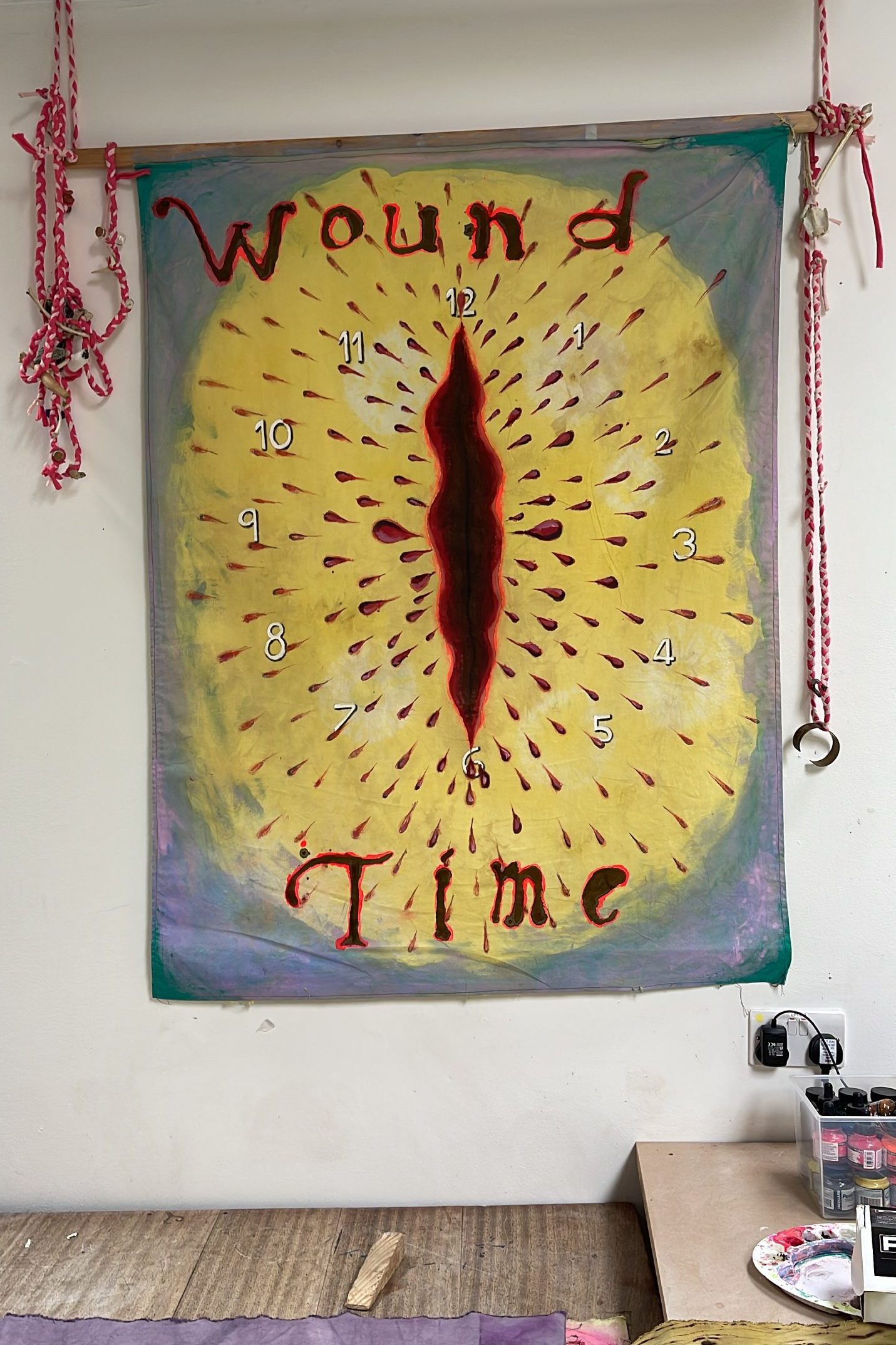
The tension between play and production was a big theme for me at SSW. As a carer for my partner I try to squirrel away time to make and to write and to apply for things that will allow me to do more making and writing. But the key part here is the squirelling: time caught in snatches, and then holding those moments in my cheeks ready for me to grab another moment a week or two or a month down the line, pulling out what remains in the cheeks in the hope I can remember what I’m doing. For the past year I’ve come up with a handy story to tell myself about what I’m currently working on: a musical. I like making performances because you can retell a story about some potentially disparate objects, objects made at different times which I can then reconnect through the story retold in the performance. It’s analogous to this whole squirrelling necessity and methodology. But the idea of a musical is a much bigger story than I’ve tried to tell, or sell, so far, and although I’m excited about the ambition of the story, this time it has been told backwards: I have the story but don’t yet know what the actual work will look or sound or feel like. Or I didn’t know until my time at SSW began.
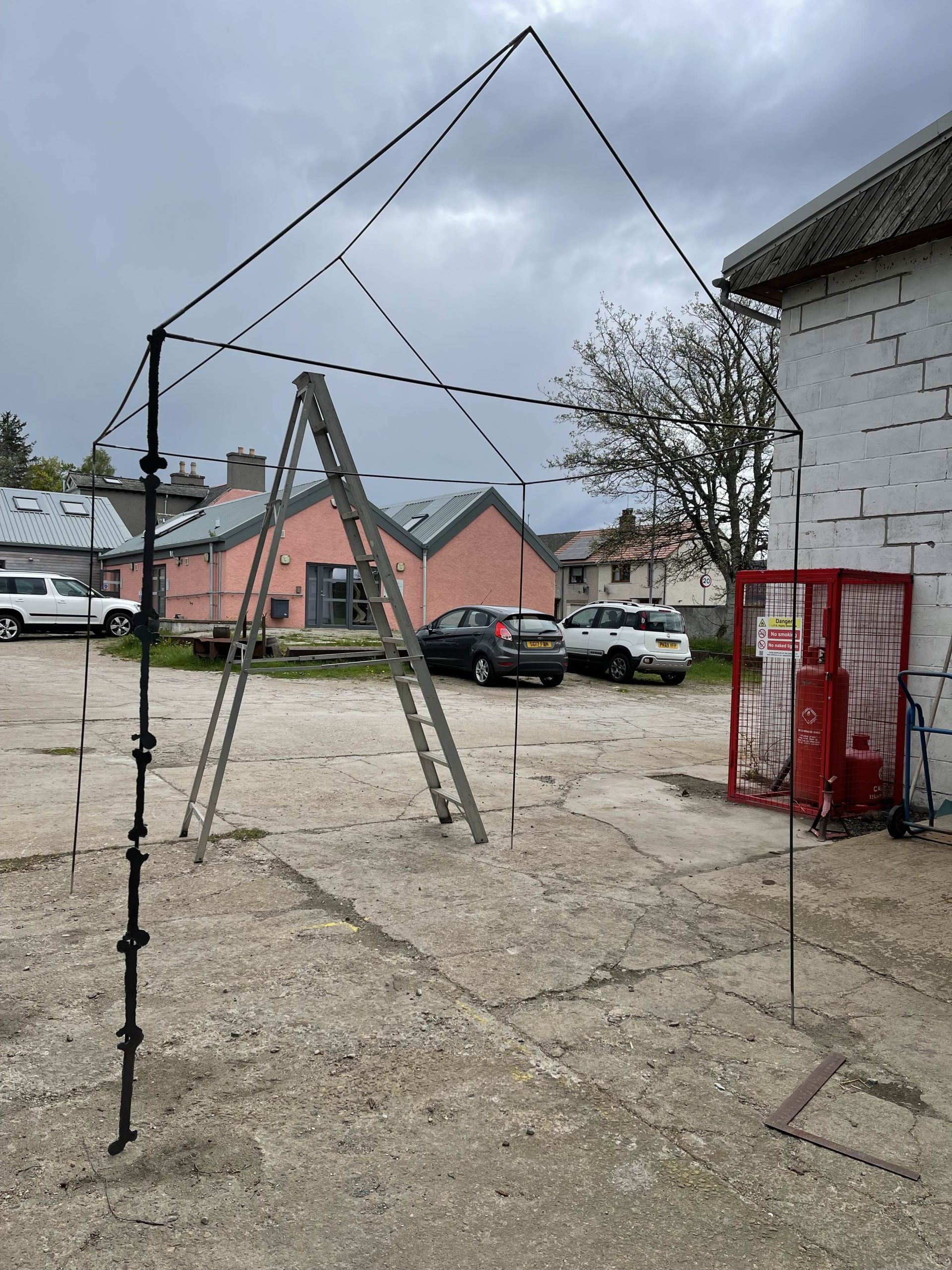
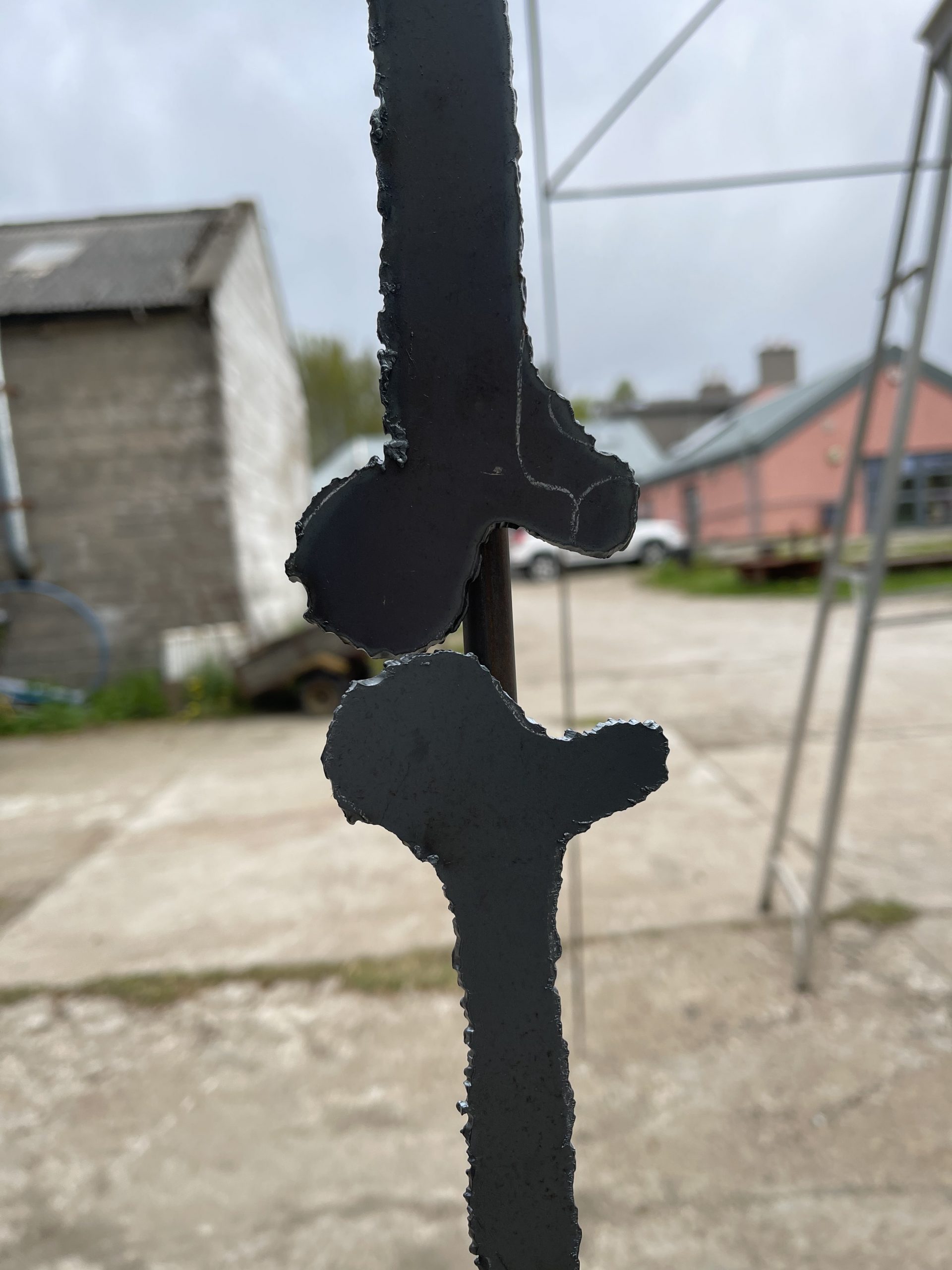
This squirrelling away means that time has an urgency to it, the need to make the most of these brief moments, which is in contrast to an equally desperate need to rest. Because, I also need to rest. I had things I wanted to make, for example, a reliquary (objects often seen within Catholicism that are containers for holy relics, which in their design usually tell some of the stories of the relics life, and the saint that it belongs to). And then on my final weekend (the last chance I’d get to make something for a bisc and glaze kiln firing) I made some other things, I tried some other things, and I started to get a sense of the wider project as a really existing and solid artwork, not just a story.
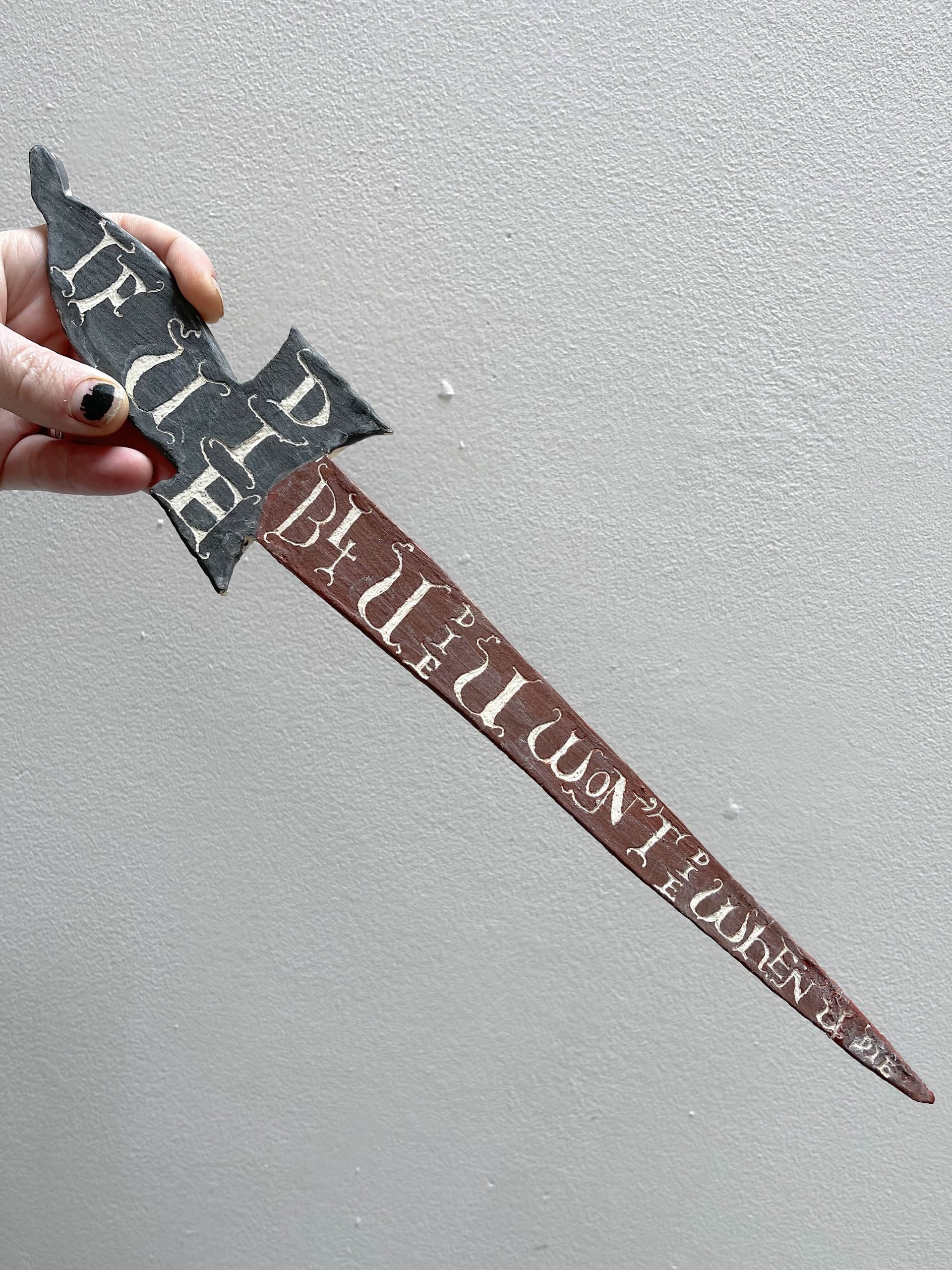
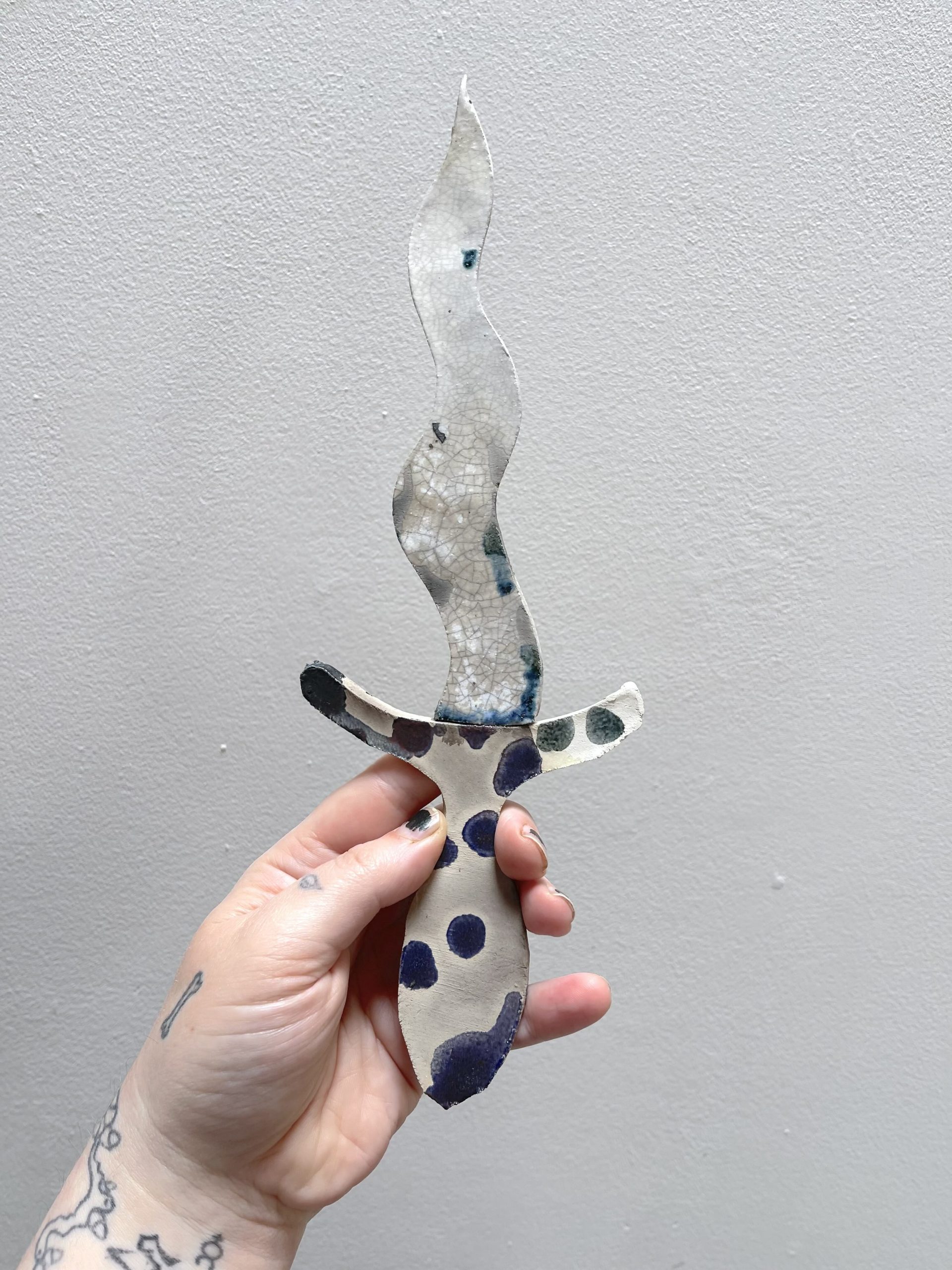
I threw a pot, and built two trays and the headless bust of a woman out of coils, and I was embarrassed to discover that this whole time I had been working with purified mud. That clay is mud, and when it is wet and as you stretch it and compact it the clay moves and shifts as it gathers weight and you can smooth its surface with your finger and it remembers your touch. Up until this point I had been exclusively doing slab work for sgraffito, which requires you to roll out the clay and then leave it until it partially dries to the consistency of leather. As an autistic person I have a small collection of sensory issues, and one of those has always been the feeling of wet clay drying on your fingers, which makes me shiver all over and want to exit my body. This made the relatively hands-off process of slab building particularly attractive to me. However, it wasn’t until I tried throwing a pot I realised how elastic clay is, that adding water to it can function almost similar to adding turpentine to oil paint in terms of restoring it to a more pliable state.
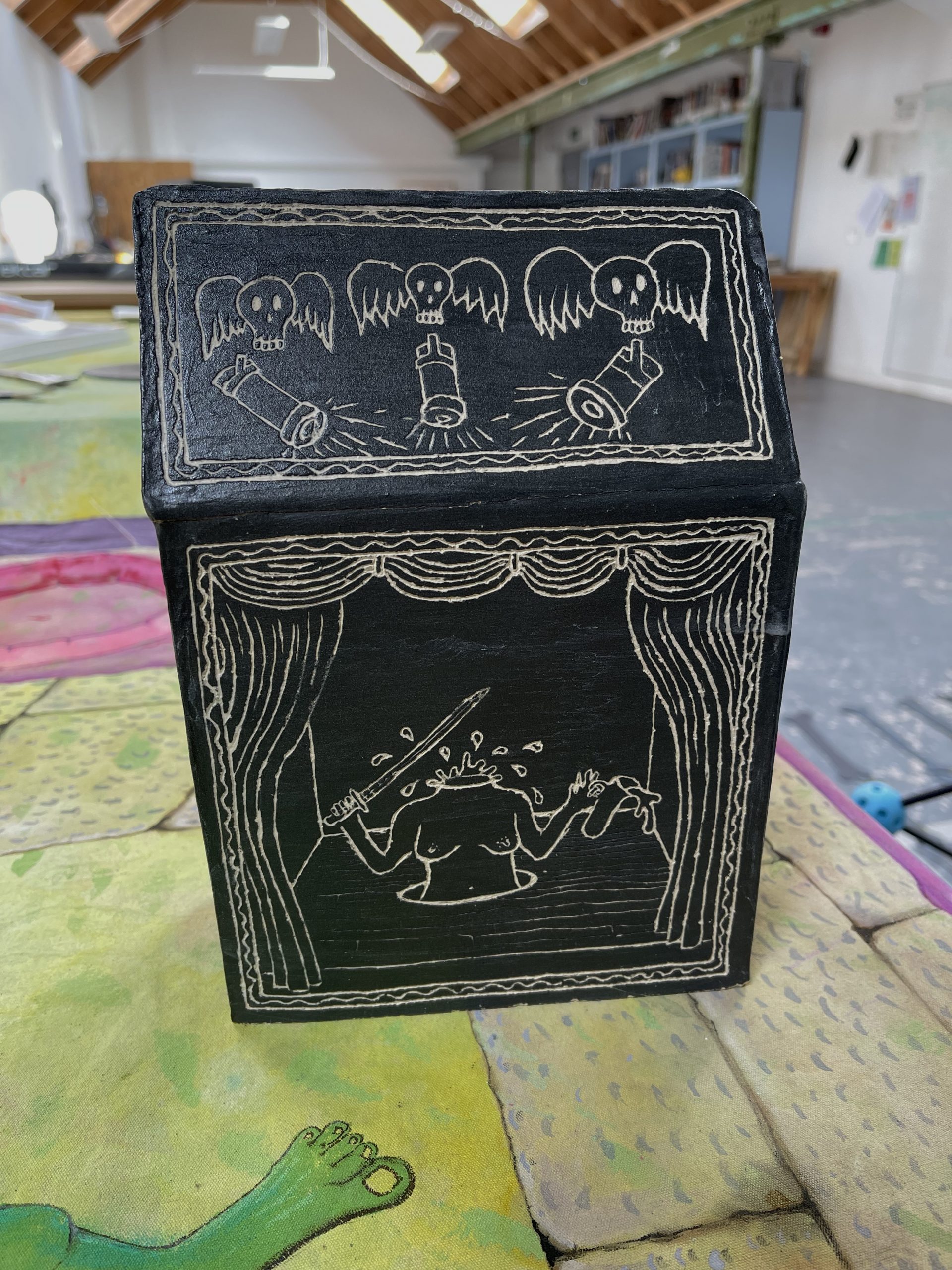
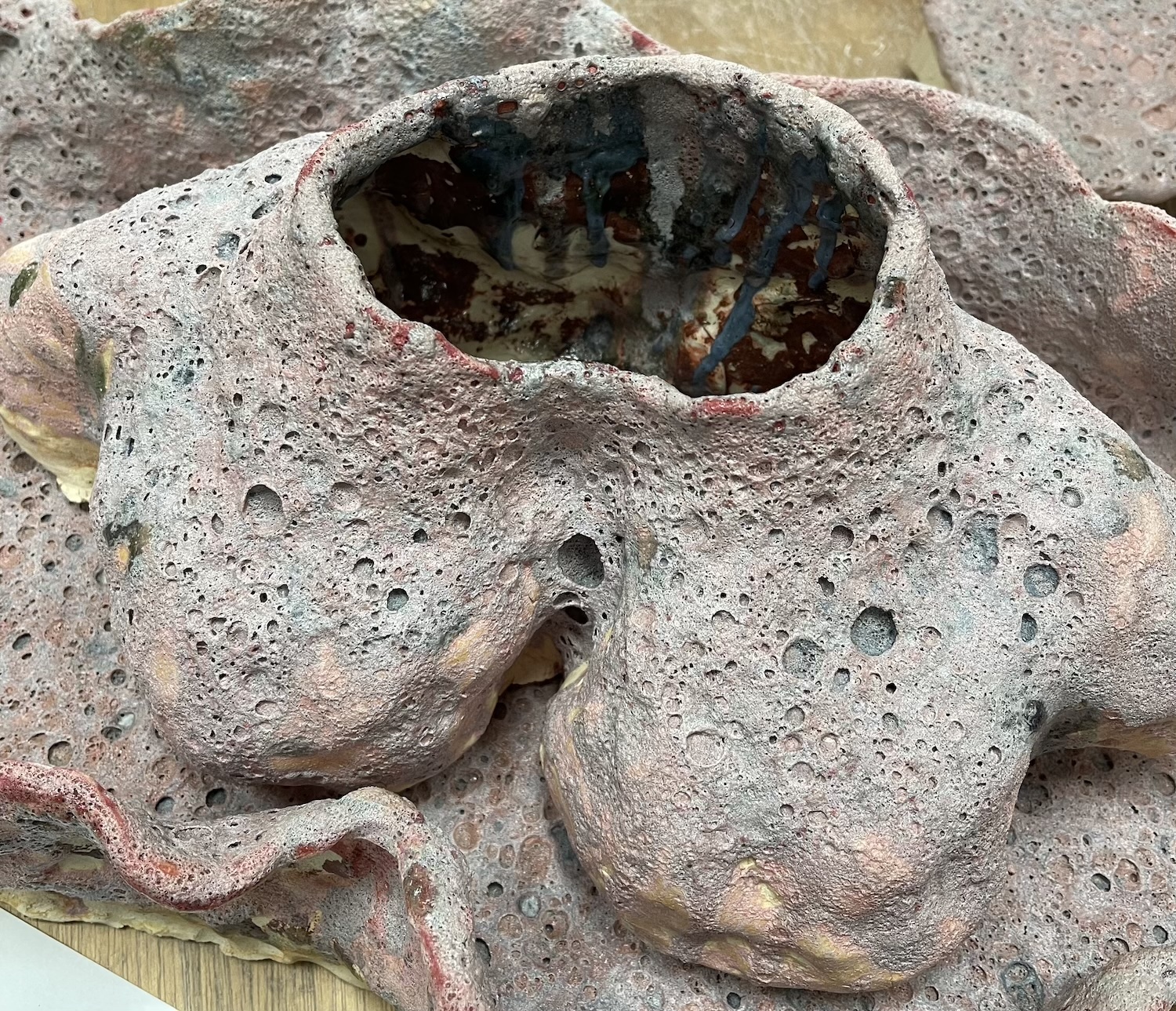
Throughout the time at SSW, I feel like everyone on the Caregivers Residency had some lesson taught to them during their time with the clay. The whole process is kinda spiritually educational like that. Perhaps it was the perspective of coming from carework that made each of us lean towards a slightly more tender approach to the clay, towards listening to its needs (even if this did take me a minute to attune to). Or perhaps the pace of ceramics engenders this kind of reflective engagement in everyone who gets their hands dirty with it.
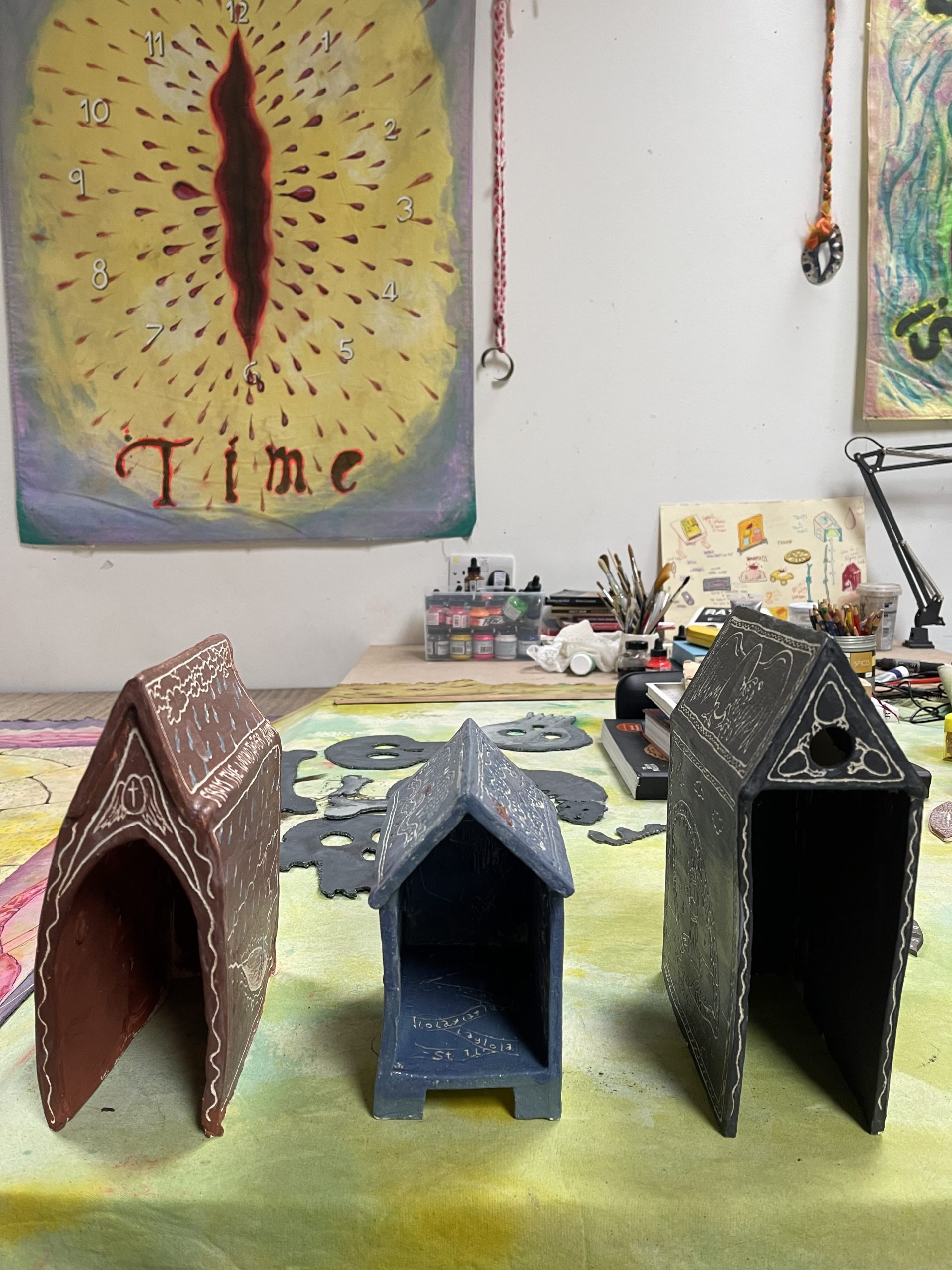
The experience of carework being centralised within the residency, of everyone present being in similarly shaped situations, is something I have never experienced around carework before. It is so often sidelined, or hidden, or at most only alluded to. But we each took it in turns to remind each other that we were carers and therefore half of the reason we were there on residency was to rest: to breathe and take stock.
Getting to spend time with two dear friends, collaborators and support workers of my own, Persephone Russell and Clay AD, was both a moment to unmask, and deeply productive. Ironically, these two states often follow each other around like co-dependent lovers in my experience. Living in Shetland, getting to spend time with my collaborators IRL is a rare but sweet gift. With Clay, we began planning on a new collaboration, a very secret, very biblical, new project. With Persephone, alongside her helping me with some slab building in ceramics, we worked on writing some of the music for the musical. This was so exciting as one of the biggest unknowns for me with the musical is what it will even sound like. Things started to coalesce in a very mid-western emo style over the three days we spent together, which was a fun surprise.
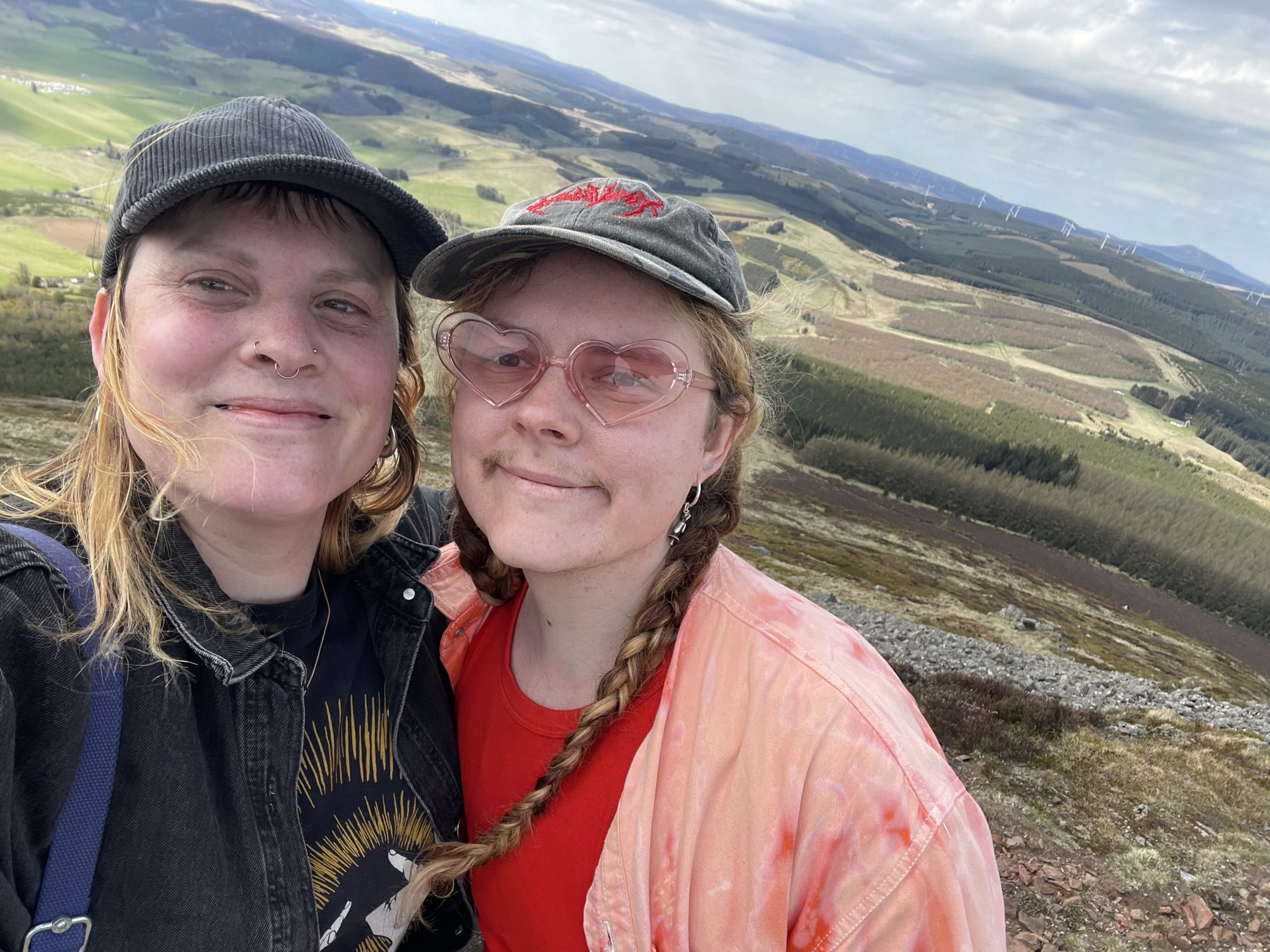
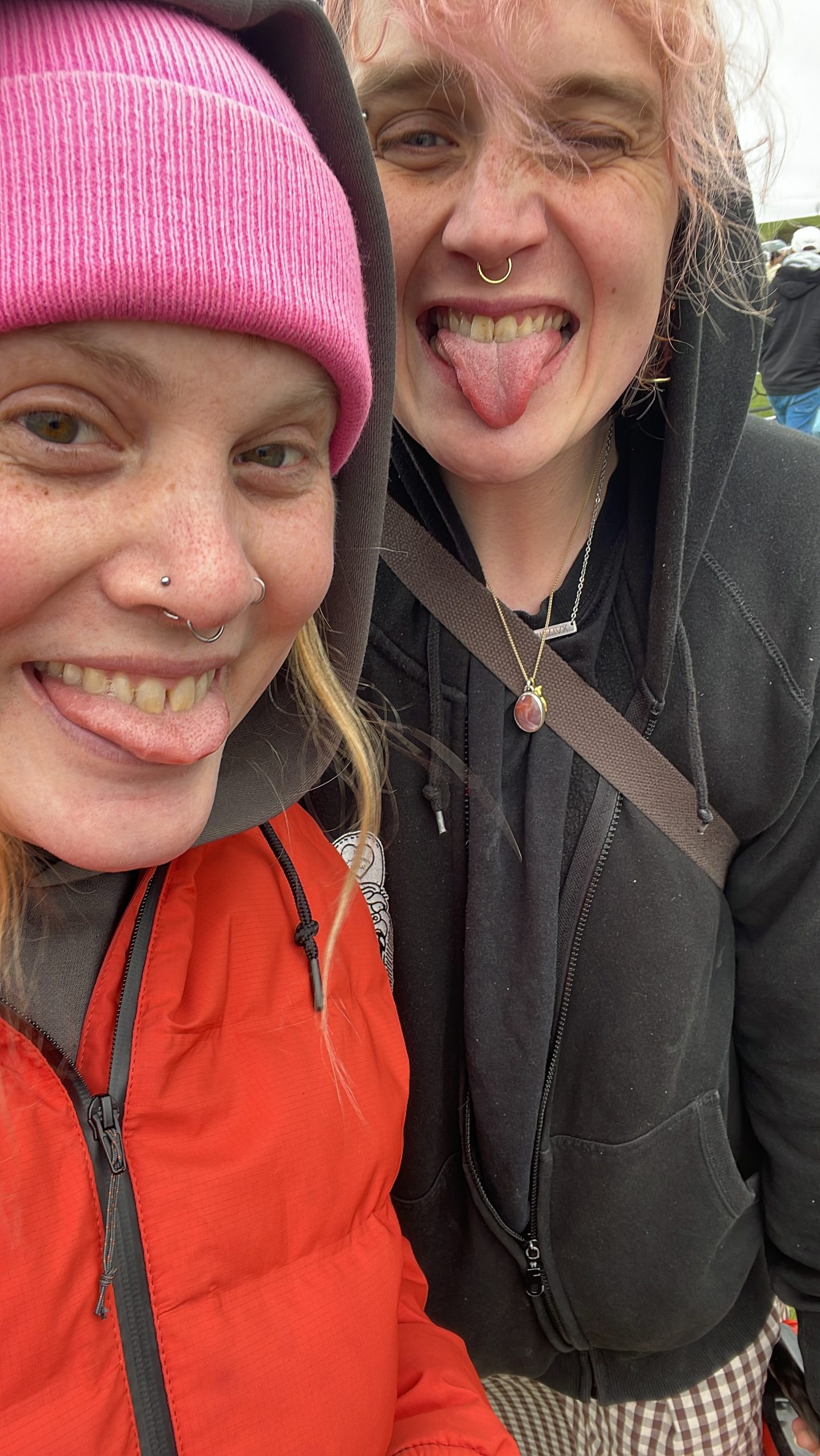
To end with the beginning, my time at SSW, on ‘the mainland’, began with a long weekend in Glasgow for Counterflows Festival. Not only did this give me a much appreciated chance to get to meet the other four amazing artists that I was about to spend the next four weeks living with, but also immerse myself in a whole world of incredible experimental music. We all listened and watched and discussed and dissected what we enjoyed, or didn’t, and why, and in doing so began conversations with newly shared reference points that would last the whole residency. Conversations about what was sound, what was music, what we wanted to see from a live performance. All super juicy questions for beginning to make something you’re calling a musical.
Thank you to all the staff at Counterflows and SSW for helping to give some shape to the story.